
 Business License
Detailed Explanation of Industrial Microwave Heating and Drying Technology——Gspring Machinery
Industrial microwave equipment is an advanced device that uses electromagnetic wave energy to heat, dry, sterilize, and mature materials. Unlike traditional hot air or electric heating methods, industrial microwaves employ the principle of "volume heating," enabling rapid and uniform heating of the material's interior.
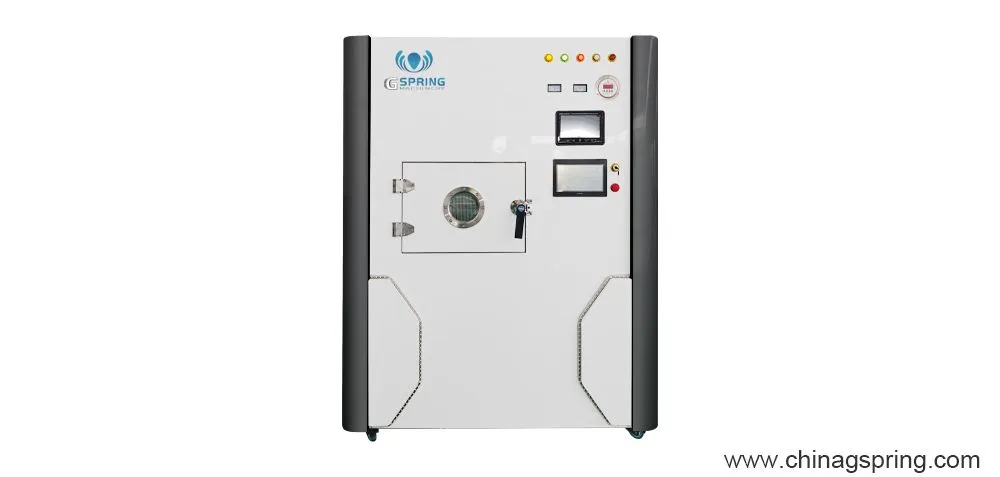
Its working process mainly includes the following key steps:
I. Microwave Generation
Industrial microwave equipment typically uses dedicated microwave generators, such as magnetrons, to produce microwave energy.
The main function of a magnetron is to convert input DC electrical energy into electromagnetic waves of a specific frequency.
Common microwave operating frequencies in industrial applications are:
2450 MHz
915 MHz
Different frequencies are suitable for different industrial scenarios.
II. Microwave Transmission
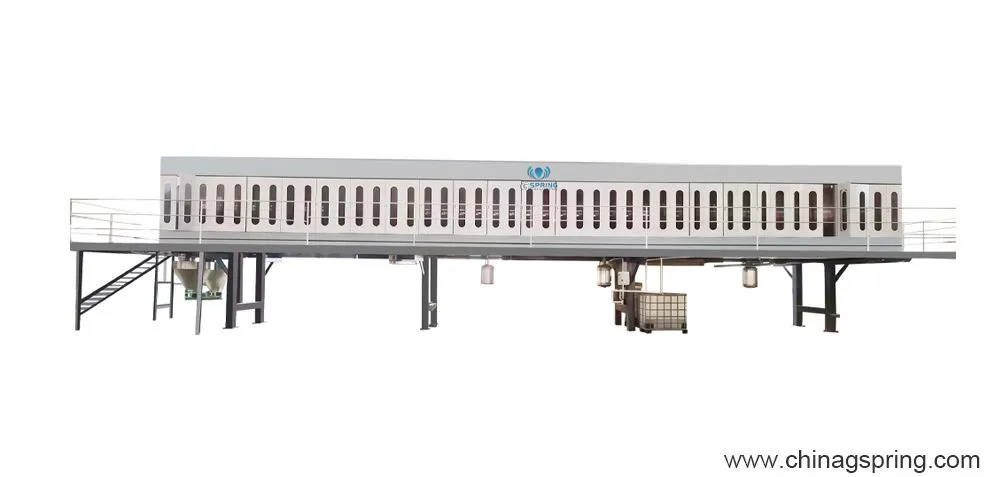
The generated microwaves are transmitted to the heating cavity or application area via a waveguide.
A waveguide is a specially designed metal structure used to efficiently and stably transmit microwave energy, ensuring minimal energy loss and uniform microwave distribution within the processing area.
III. Microwave Penetration Through Media
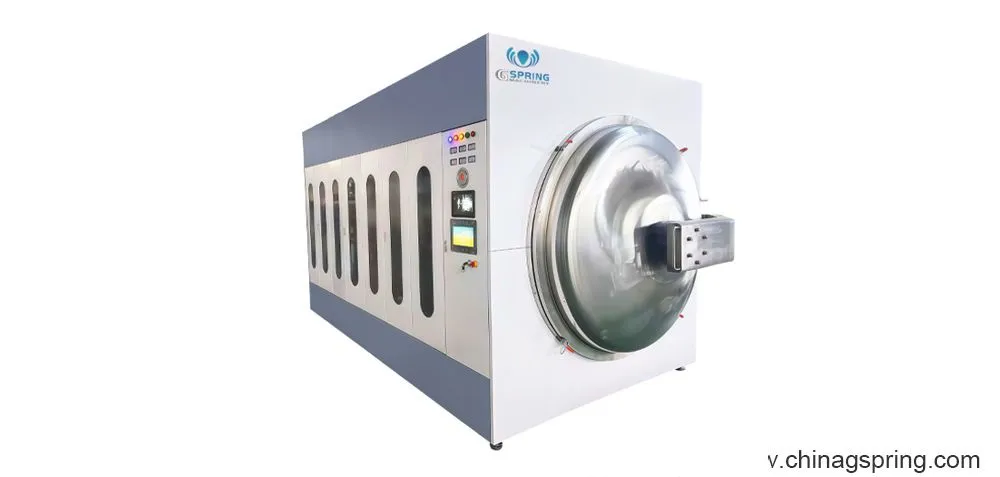
Microwaves possess strong penetrating power, allowing them to directly enter the interior of materials.
When microwaves come into contact with materials containing moisture or polar molecules, these molecules respond in the electromagnetic field, thus achieving internal heating. This heating method differs from traditional heat conduction and is therefore more efficient.
IV. Heat Generation through Molecular Friction
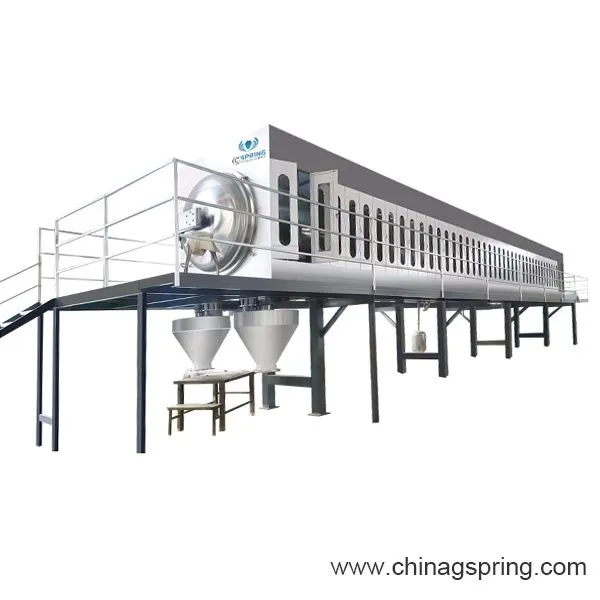
Polar molecules (especially water molecules) in a material will rotate or vibrate rapidly at extremely high frequencies under the influence of a microwave electromagnetic field.
This high-speed motion causes friction between molecules, thus converting electromagnetic energy into heat energy, rapidly raising the material's temperature and achieving both heating and drying effects.
V. Uniform Heating Mechanism
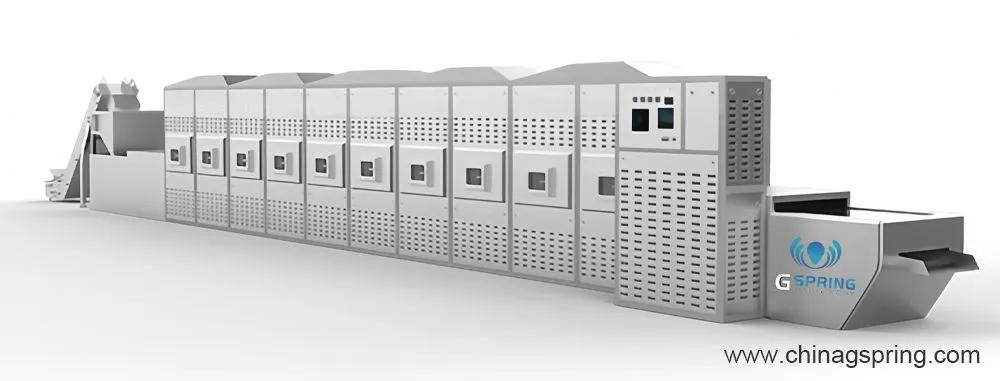
Because microwaves can act on both the interior and surface of a material simultaneously, they can achieve overall volume heating.
Compared to the common problem of "overheating on the outside and undercooking on the inside" in traditional heating methods, industrial microwave equipment can provide a more uniform heating effect, improving product quality and processing efficiency.
VI. Energy Conversion and Industrial Applications
When microwave energy is absorbed by materials and converted into heat energy, the temperature rises, thereby achieving various industrial processing goals, such as:
Drying and dehydration
Sterilization and disinfection
Cooking treatment
Material modification
Industrial microwave heating has advantages such as high efficiency, low energy consumption, and environmental friendliness.
VII. Intelligent Control System
Modern industrial microwave equipment is equipped with an advanced automatic control system that can precisely adjust:
Microwave power
Operating frequency
Heating time
Temperature and humidity parameters
By precisely controlling process parameters, the equipment can meet the personalized needs of different materials and industries, improving production stability and automation levels.
VIII. Dehumidification and Exhaust System
During microwave drying, the moisture inside the material is rapidly evaporated. To ensure drying efficiency and product quality, the equipment is typically equipped with a dehumidification or exhaust system.
The functions of this system include:
(1)Timely removal of water vapor generated by evaporation
(2)Preventing excessive humidity within the chamber from affecting drying efficiency
(3)Assisting in material cooling
(4)Improving overall processing stability
In vacuum microwave systems, vacuum pumps and condensers can further enhance dehydration efficiency, achieving low-temperature, high-quality drying.
Industrial microwave equipment achieves efficient, uniform, and energy-saving industrial processing through a complete process:
"generating microwaves → transmitting microwaves → penetrating materials → generating heat through molecular friction → energy conversion → dehumidification control".
With its advantages of rapid heating, precise control, and environmental friendliness, industrial microwave technology has become an important processing method in industries such as food, medicine, chemicals, and building materials.
Recently Posted
-
Analysis of Spicy Peanut Processing Technology and Prices@Gspring Machinery
February 27, 2026Manufacturers of Fully Automated Fried Peanut Production Line Equipment | Analysis of Spicy Peanut Processing Technology and Price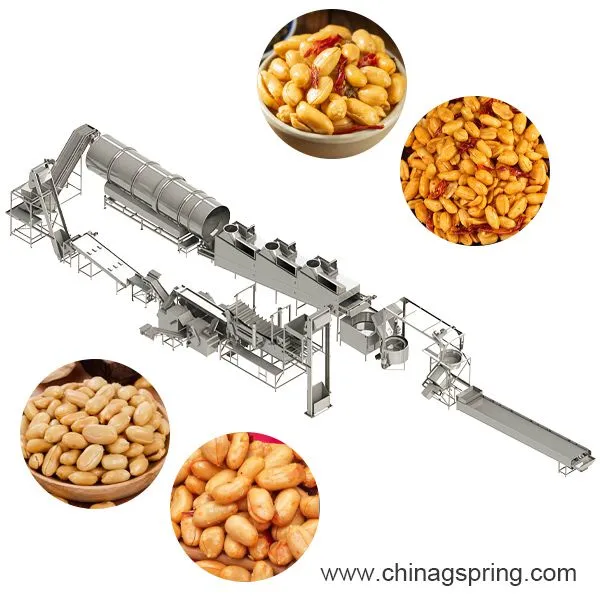 Read More
 -
Peanut Butter Production Line, Nut Butter Processing Equipment @Gspring Machinery
February 25, 2026Peanut Butter Production Line, Nut Butter Processing Equipment @Gspring MachineryWith the development of the health food industry,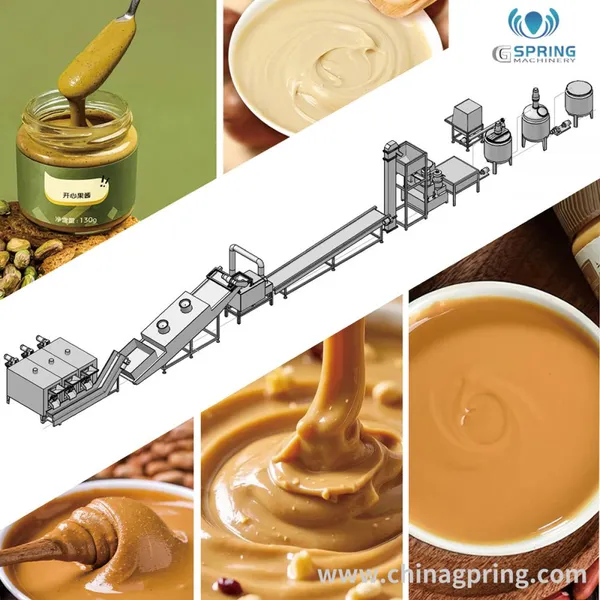 Read More
 -
Fully Automated Peanut Coating Processing Equipment Solution —— Gspring Machinery
February 24, 2026Gspring Machinery -- Fully Automated Peanut Coating Processing Equipment SolutionWith the rapid development of the snack food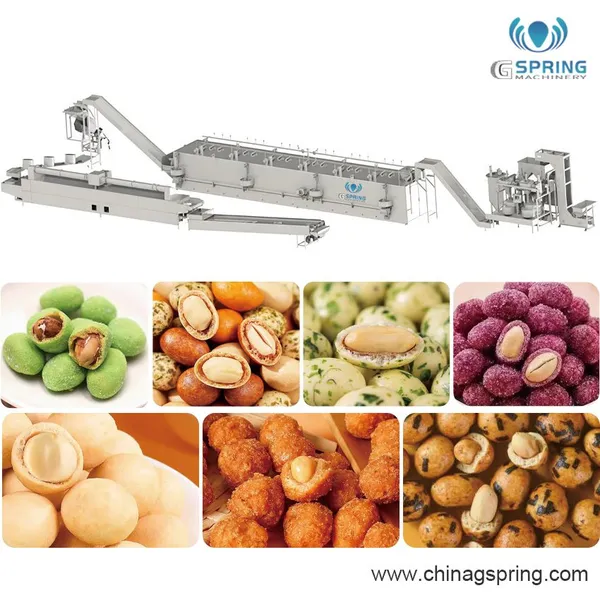 Read More
 -
What is the working principle of industrial microwave equipment?
February 11, 2026Industrial microwave equipment is widely used in drying, sterilization, heating, ripening, and material modification. Unlike tradi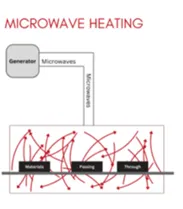 Read More

Contact Us
Recommended Products
-
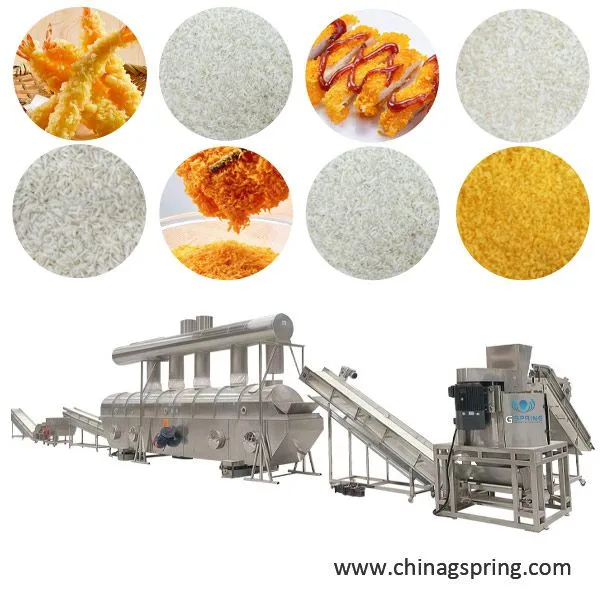
 Best Quality Bread Crumb Machine for Fried Food IndustryNegotiableMOQ: 1 Set
 -
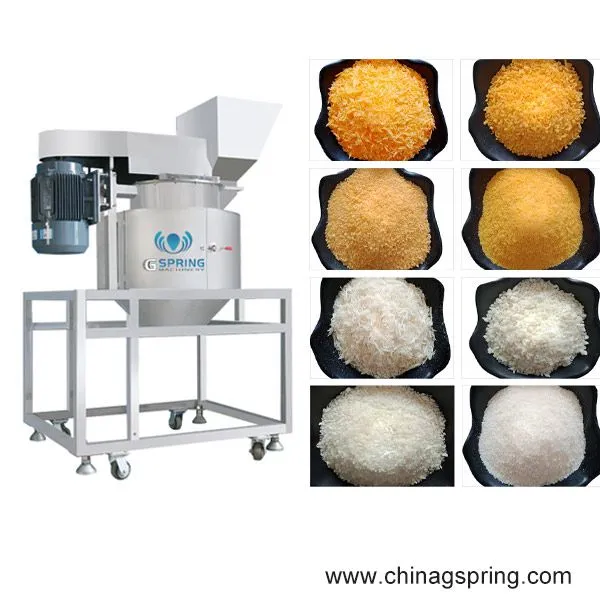
500kg/h Industrial Bread Crumbs Grinder Breadcrumb Crushing MachineNegotiableMOQ: 1 Set
-
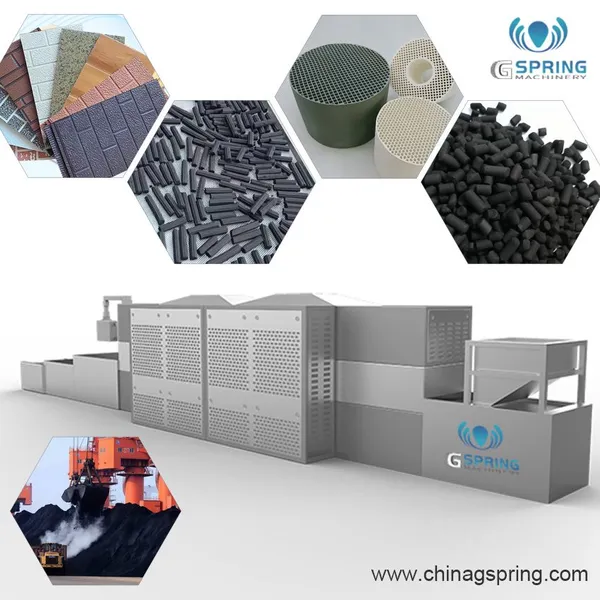
Tunnel Industrial Microwave Dryer for Coal and Construction Materials Continuous Belt TypeNegotiableMOQ: 1 Set
-
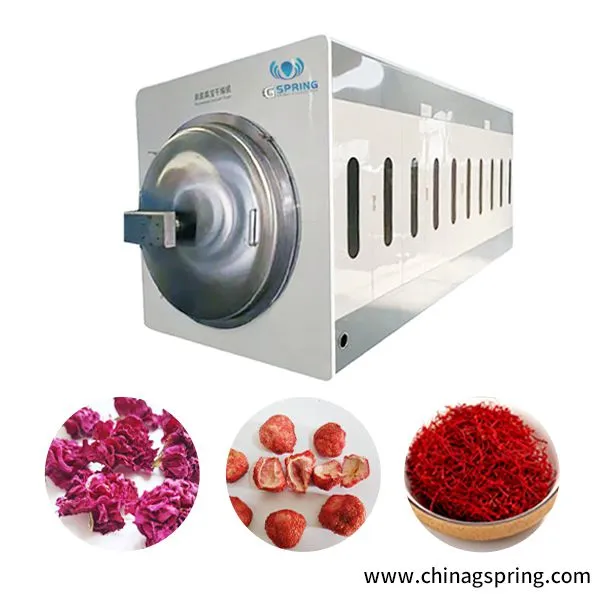
High Efficiency Industrial Microwave Vacuum Dryer for Food Pharmaceutical Chemical ProcessingNegotiableMOQ: 1 Set
-
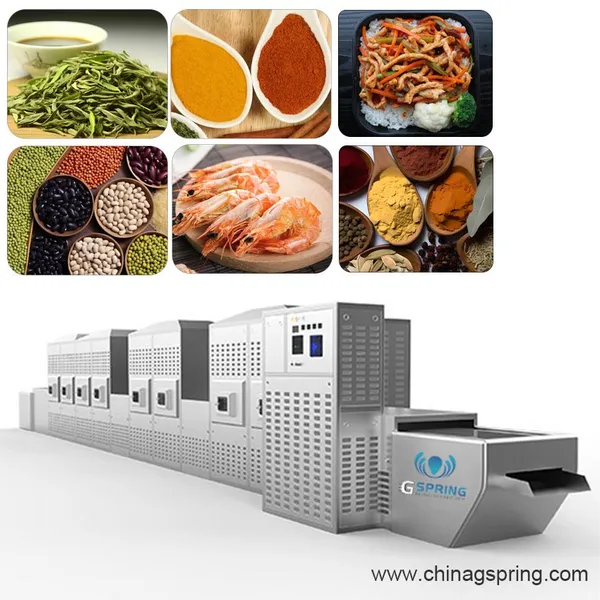
Continuous Industrial Microwave Dryer Belt Machine for Food Processing Drying and SterilizationNegotiableMOQ: 1 Set
-
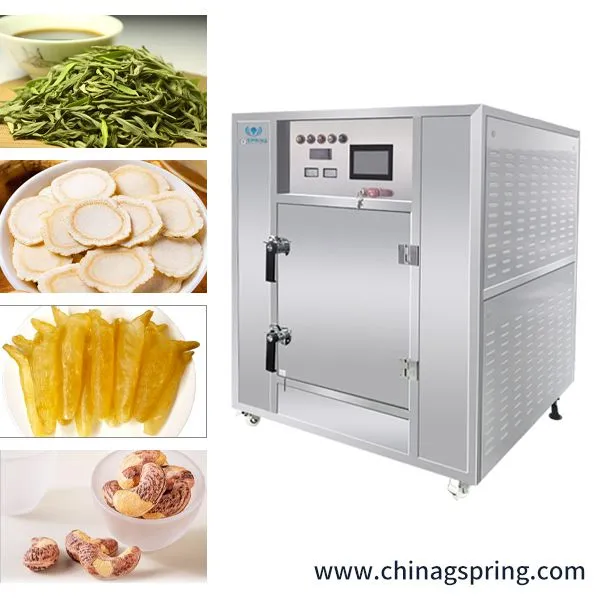
Laboratory Microwave Dryer Small Scale Batch Drying Machine for Food Pharma Chemical TestingNegotiableMOQ: 1 Set
-
High Capacity Peanut Coating Machine PLC Control for Snack Food ProcessingNegotiableMOQ: 1 Set
-
Fully Automatic Fried Peanut Production Line PLC Control Continuous Frying for Snack ProcessingNegotiableMOQ: 1 Set
-
Hot Sale Automatic Peanut Butter Making Machine for Nuts Paste ProcessingNegotiableMOQ: 1 Set
-
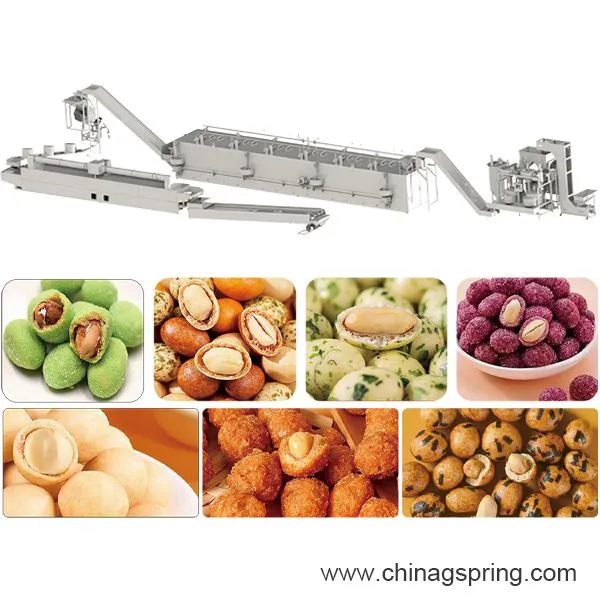
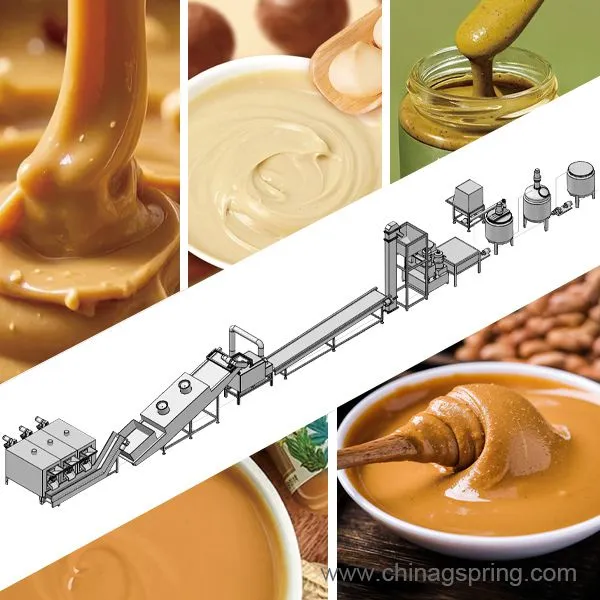
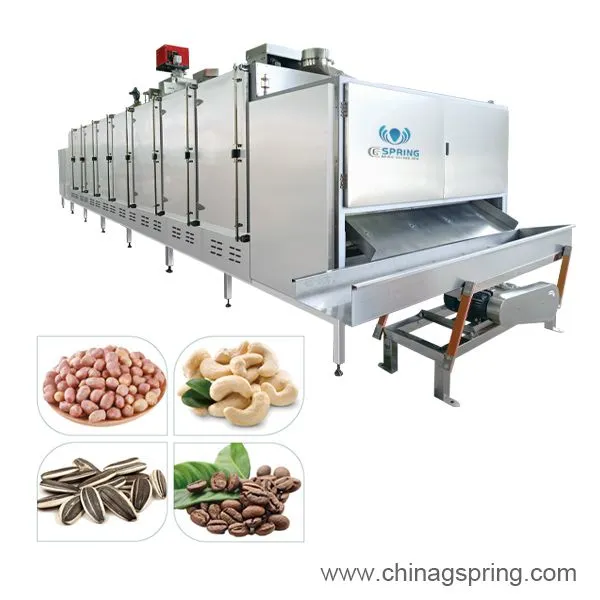
Industrial Continuous Chain Belt Nuts Roaster Nuts Roasting Machine Industrial Nuts Roaster Equipment For NutCashewPeanut Processing MachineNegotiableMOQ: 1 Set
-
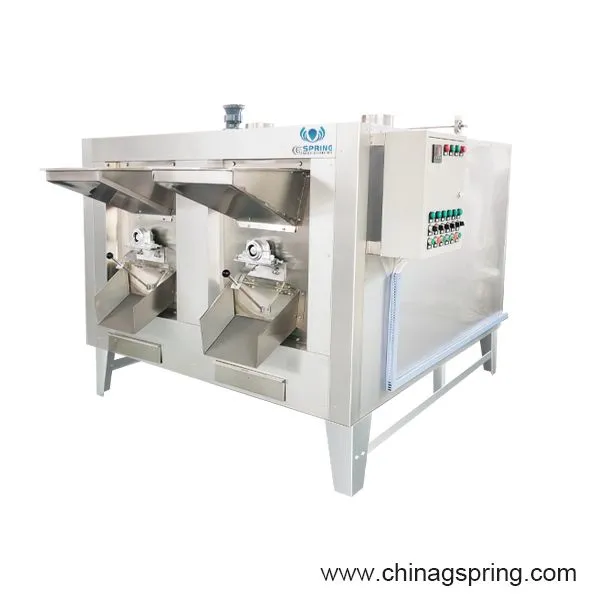
Industrial Batch Nuts Roaster Machine for Peanut Almond Cashew Roasting Nuts Roasting Equipment for Snack Food ProcessingNegotiableMOQ: 1 Set
-
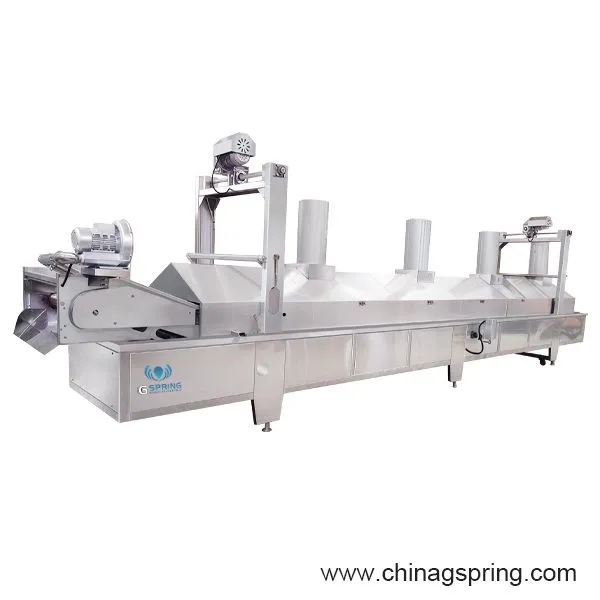
Automatic Continuous Fryer Machine Food Frying Machine for Fruit Vegetable Seafood Chips Frying Equipment Snack Food Processing EquipmentNegotiableMOQ: 1 Set
-
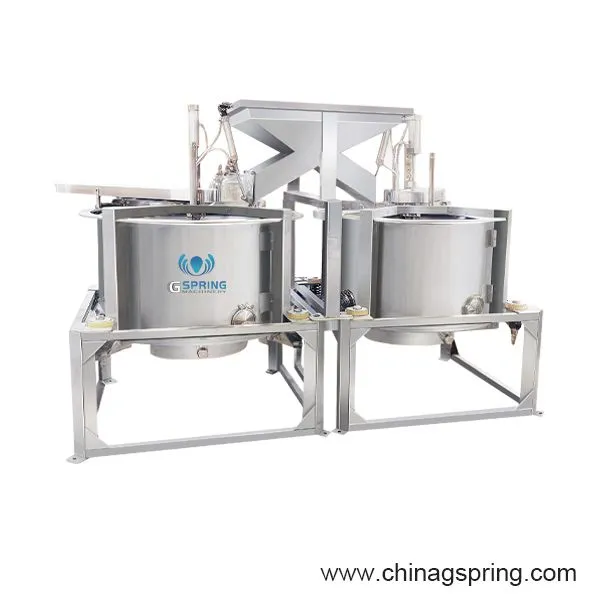
Industrial Centrifugal De-Oil Machine Automatic Food De-Oiling Equipment for Potato Banana Chips ProcessingNegotiableMOQ: 1 Set
-
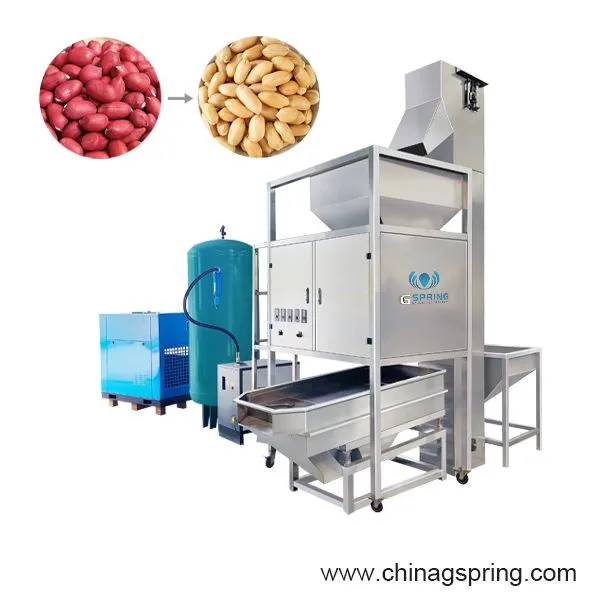
Industrial Air Peeler Machine Nuts Peeling Equipment Automatic Peanut Red Skin Peeling Machine for Peanut ProcessingNegotiableMOQ: 1 Set
-
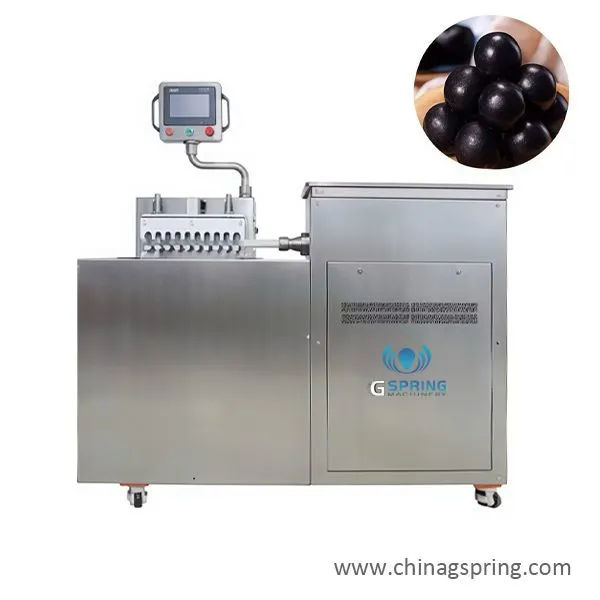
Automatic Big Honey Pill Making Machine Herbal Medicine Pill MachineNegotiableMOQ: 1 Set
-
High Efficiency Herbal Ball Making Machine Herbal Pill Forming Machine Pellet MachineNegotiableMOQ: 1 Set
-
High Speed Rotary Tablet Press Machine Automatic Pharmaceutical Tablet Making Equipment Pharmaceutical IndustryNegotiableMOQ: 1 Set
-
Automatic Softgel Capsule Machine Industrial Softgel Encapsulation Equipment for Fish Oil Vitamin Pharmaceutical FillingNegotiableMOQ: 1 Set
-
NJP Series Automatic Capsule Filling Machine Pharmaceutical Capsule Filling Equipment for Pharmaceutical Health Supplement ProductionNegotiableMOQ: 1 Set
-
Fully Automatic Tortilla Machine PLC Control For Corn Wheat Flatbread JKBP-650/740NegotiableMOQ: 1 Set